
Forest Lab
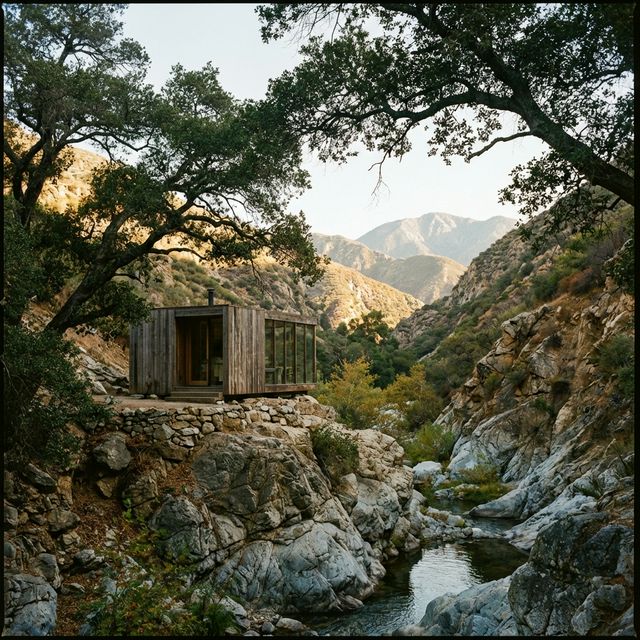
Our canyon research station sits in the rugged foothills below Mount Baldy — a living laboratory testing the boundaries of chaparral regenerative agriculture and oak-led food systems.
3.2acres
Research Area
2,800ft
Elevation
24nodes
Sensor Array
18species
In Trial
4yrs
Active Research
Core Mission
Where the Oak Canopy Meets the Stream
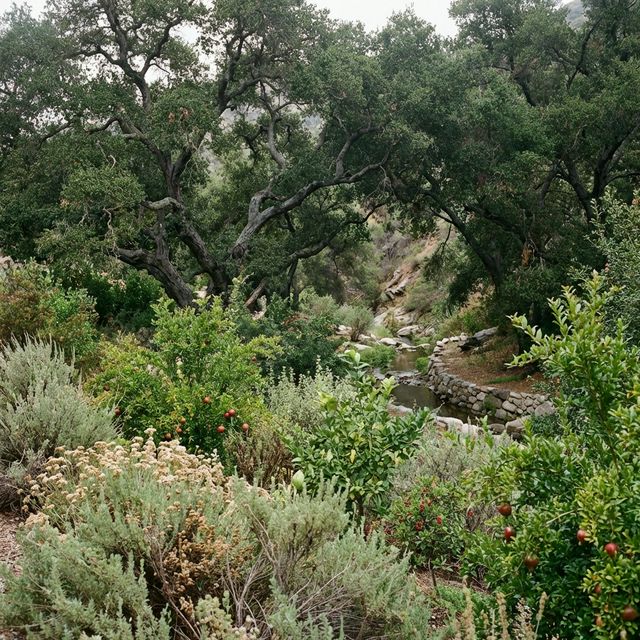
Our 3.2-acre site in the San Gabriel foothills is a laboratory for drought-resilient abundance. Leveraging the shade and nutrient cycles of ancient California Live Oaks, we've developed a food forest model that thrives in the chaparral transition zone.
7
Canopy Layers
18
Species in Trial
3
Harvest Seasons
45%
Soil Carbon Up
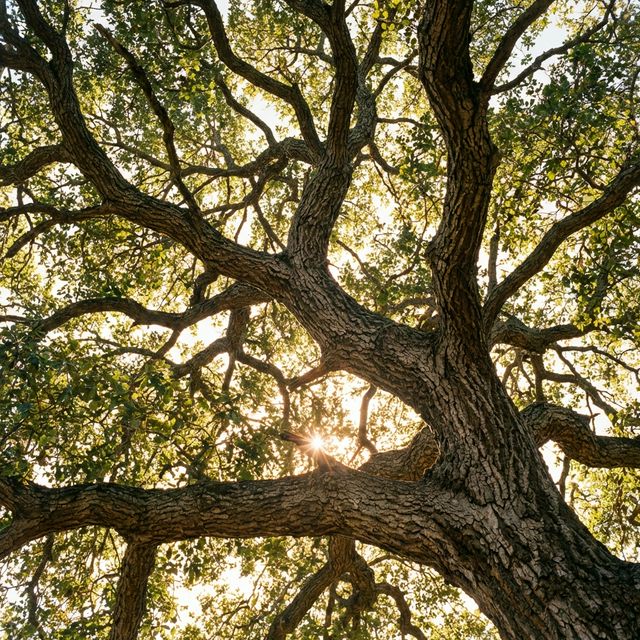
"The oak does not struggle against the canyon heat. It drinks from the deep stream and builds soil for the generations that follow."
Soil Science
Riparian Resilience
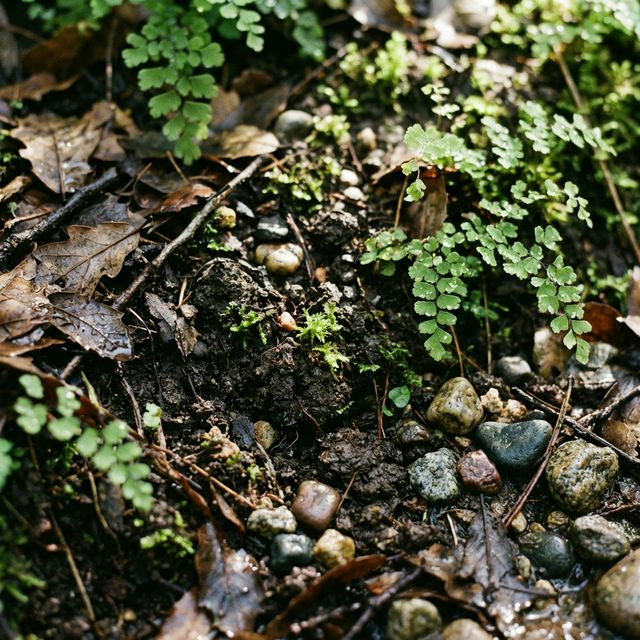
Our biochar integration program is tailored for the specific microbial needs of canyon soils. By mimicking the natural charcoal cycle of the chaparral, we have achieved a 45% increase in soil carbon, significantly improving water retention in the foothills.
Hydrology
Managing the Canyon Pulse
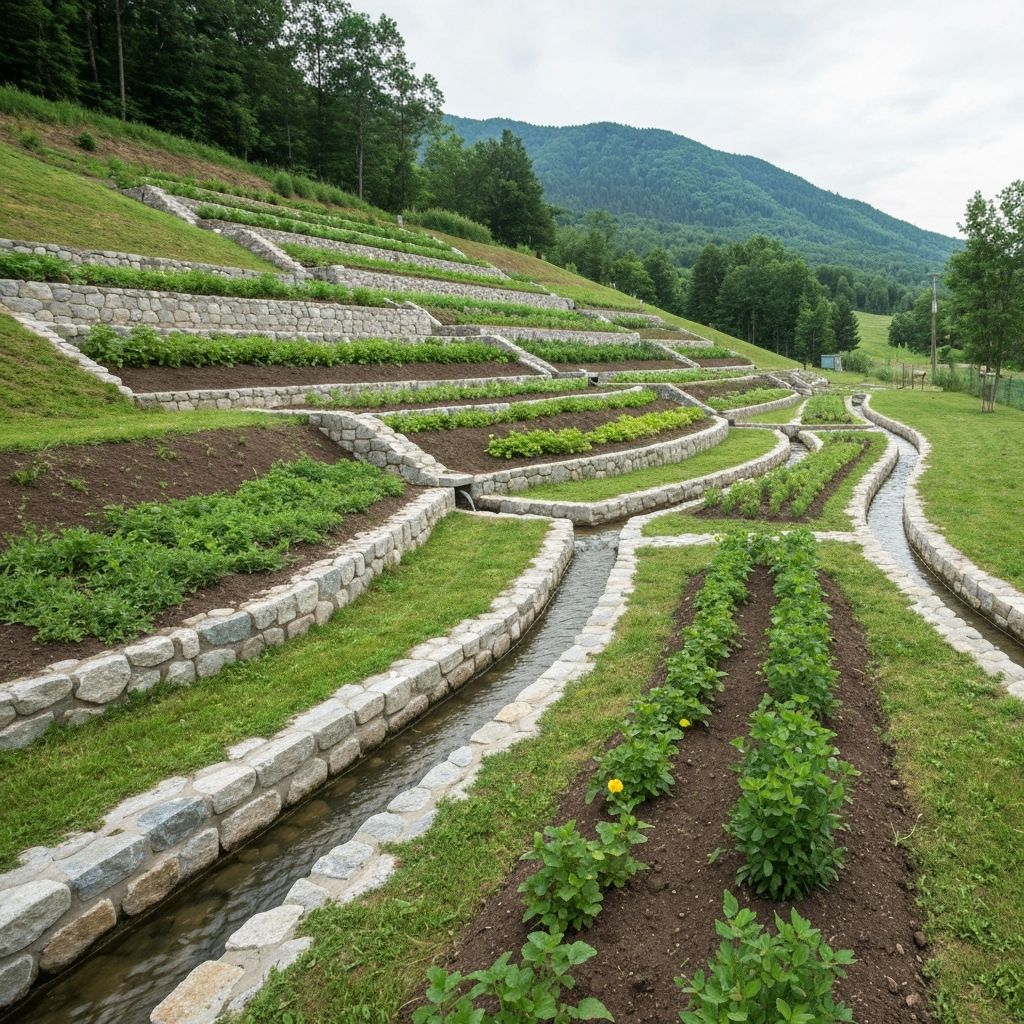
Managing water in a seasonal canyon ecosystem requires a blend of capture and conservation. Our systems leverage the natural stream flow and terraced swales to maintain soil hydration through the dry Southern California summers.
- 4,200 gallon total storage capacity
- Zero-pump gravity-fed distribution
- Integrated swale and keyline design
- Seasonal overflow to recharge pond
"To tend this canyon soil is to participate in the slow, rhythmic sequence of the San Gabriel's restoration."
Active Research
Current Programs
Six interconnected research streams feeding data into our open-source regenerative agriculture knowledge base.
Chaparral Permaculture
Testing polyculture systems tailored for the California chaparral, utilizing drought-hardy perennials and oak-canopy microclimates.
4 growing seasons tracked
Biochar Integration
Inoculating canyon soils with locally-produced biochar to increase water retention and sequester carbon in the rugged San Gabriel foothills.
45% soil carbon increase
Food Forest Design
Seven-layer food forest model adapted for Mediterranean-alpine transition zones with companion planting and nurse tree canopy experiments.
12 species in trial
Mycelium Networks
Mapping existing fungal networks and testing their role in inter-plant communication and nutrient transfer across our food forest plot.
6 species identified
Water Harvesting
Gravity-fed rainwater collection designed for steep mountain terrain. Swale and keyline design integrated with food forest plantings.
4,200 gal capacity
Canyon Microclimate Mapping
24/7 sensor array tracking temperature, humidity, and airflow patterns across the steep canyon terrain to optimize planting zones.
24 sensor nodes
Lab History
From Bare Land to Living Lab
Site Acquisition
Secured 3.2-acre rugged parcel in the San Gabriel National Forest corridor, specifically in a diverse canyon ecology below Mount Baldy.
Infrastructure Build
Installed 16-node sensor array, gravity-fed water collection system, and established first test beds with native soil baseline measurements.
First Growing Season
Planted 12 perennial species across 8 polyculture zones. Began biochar soil amendment trials with control and inoculated plots side-by-side.
Canyon Network Mapping
Mapped 8 native fungal species forming communication networks between oaks and new plantings. Published dataset on chaparral food forest performance.
Expansion Phase
Scaling successful polyculture models to full food forest. Installing additional water harvesting capacity and hosting first seasonal research cohort.
Biodiversity Index
Species in Trial
Perennial food-producing species selected for drought tolerance, chaparral resilience, and compatibility with our oak-led food forest model.
Amelanchier alnifolia
Saskatoon Berry
Zone 3-7
Thriving
Ribes aureum
Golden Currant
Zone 4-8
Established
Prunus virginiana
Chokecherry
Zone 3-6
Thriving
Sambucus nigra
Elderberry
Zone 4-8
Monitoring
Rubus parviflorus
Thimbleberry
Zone 3-8
Established
Shepherdia argentea
Silver Buffaloberry
Zone 2-6
Thriving
Join Us in the Mountains
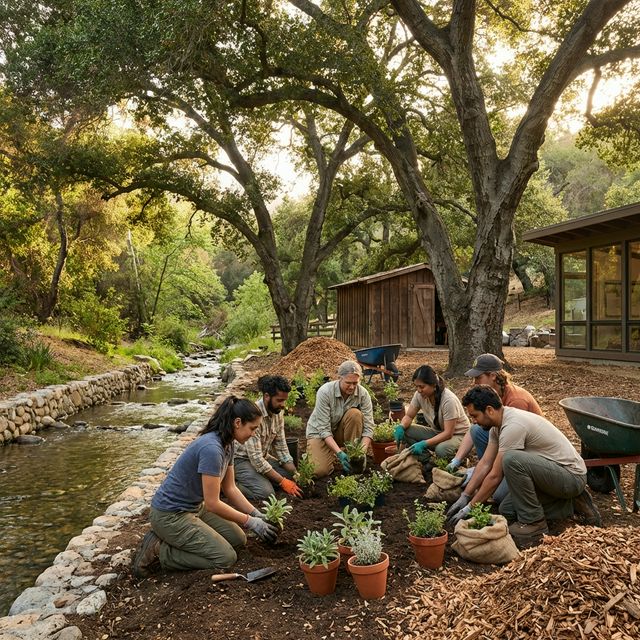
We host seasonal research cohorts, volunteer planting days, and weekend workshops at the Forest Lab. Whether you are a researcher, a student, or someone who loves to dig in the dirt, there is a place for you here.